
How to Combine Kenya and Tanzania on One Safari
Kenya and Tanzania share one of Africa’s strongest wildlife regions, but the best combined safari is not created by simply placing the Masai Mara and Serengeti next to each other. Border choice, migration season, flight schedules and realistic driving time determine whether the journey feels seamless or rushed.
Road border or regional flight?
The Isebania–Sirari crossing can connect the Masai Mara with the northern Serengeti, while Namanga is useful for routes involving Amboseli and Arusha. Regional flights can save time but luggage limits, immigration and possible aircraft changes must be allowed for. We recommend the connection that fits the full itinerary, not automatically the cheapest fare.
Plan around the season
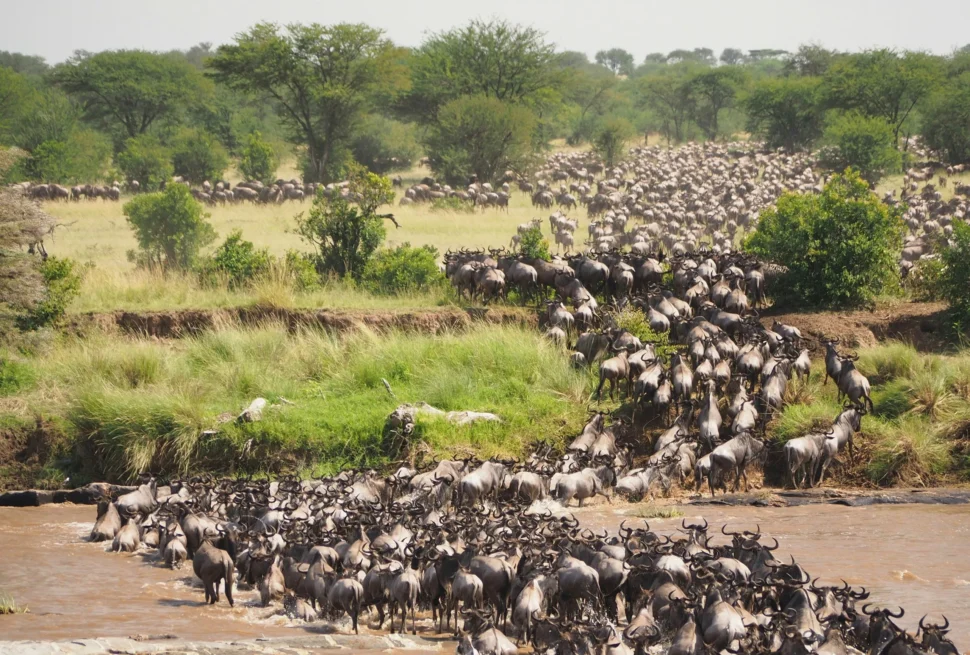
The Great Migration moves through a large ecosystem and river crossings cannot be guaranteed. The Serengeti is usually central to Tanzania routes; the Masai Mara is especially important during the northern migration months. Outside peak crossing season, both countries still offer excellent resident wildlife.
Visa and entry planning
Kenya and Tanzania have separate entry systems. The East Africa Tourist Visa does not include Tanzania. Requirements depend on nationality and can change, so travellers should use the official immigration websites and ensure the itinerary uses the same passport details throughout.
A local operator’s route check
Before confirming, check the actual transfer hours, border operating plan, seasonal park location, luggage allowance and where each vehicle change occurs. Nature Bound Africa coordinates the Tanzania and Kenya sections as one journey so the handover is clear and the pace remains comfortable.
Written or reviewed by Eliya Tumaini, founder of Nature Bound Africa and an East Africa safari specialist with first-hand route-planning experience since 2002.
When to combine Kenya and Tanzania
January to March: The southern Serengeti and Ndutu are the main focus for the wildebeest calving season. Kenya can still be included, but the migration emphasis is normally in Tanzania.
June to October: Drier conditions generally make wildlife viewing easier. River crossings may occur in the northern Serengeti and Masai Mara from July to October, but wildlife movements vary each year.
November to December: Short rains bring greener landscapes, migratory birds and often fewer visitors. This can be a rewarding period for travellers who prefer a quieter safari.
Border routes, regional flights and camp availability change by season. Nature Bound Africa will recommend the most practical order for your travel dates rather than forcing every safari into the same route.
Kenya and Tanzania safari planning, costs and routes
A well-planned Kenya–Tanzania safari can combine the Masai Mara with the Serengeti, Ngorongoro Crater and, depending on your time, Amboseli or Tarangire. Nature Bound Africa checks border arrangements, regional flights, realistic driving times and seasonal wildlife locations before confirming your route.
Costs
The final price depends on travel month, trip length, lodge category, flights and whether the safari is private. We provide a clear quotation after confirming dates and accommodation preferences.
Accommodation
Choose reliable mid-range lodges and tented camps, premium properties or a luxury programme. We match accommodation to the route and expected wildlife area.
Road border or flight?
Isebania can suit western Serengeti routes. Flights may be better when time is limited or migration locations make a road connection inefficient.
Recommended programmes
8-day Kenya–Tanzania Luxury Safari
Extended four-country East Africa safari