
Combining a Tanzania safari with gorilla trekking in Rwanda creates one of East Africa’s most rewarding journeys. Tanzania offers the open plains of the Serengeti, the Ngorongoro Crater and the elephant country of Tarangire, while Rwanda adds an intimate mountain-gorilla experience in the forests of Volcanoes National Park.
Nature Bound Africa plans these journeys as one connected itinerary rather than two unrelated holidays. The order of the trip, regional flights, permit availability and the number of recovery nights all matter. This guide explains how we approach the combination from our base in East Africa.
Why combine Tanzania and Rwanda?
The two destinations complement one another. A Tanzania safari is built around vehicle-based wildlife viewing and changing landscapes. Gorilla trekking is a guided forest experience that may involve steep, muddy terrain and several hours of walking. Together, they provide variety without repeating the same type of safari every day.
- Tanzania: Serengeti wildlife, the Ngorongoro Crater, Tarangire elephants and optional Kilimanjaro or Zanzibar extensions.
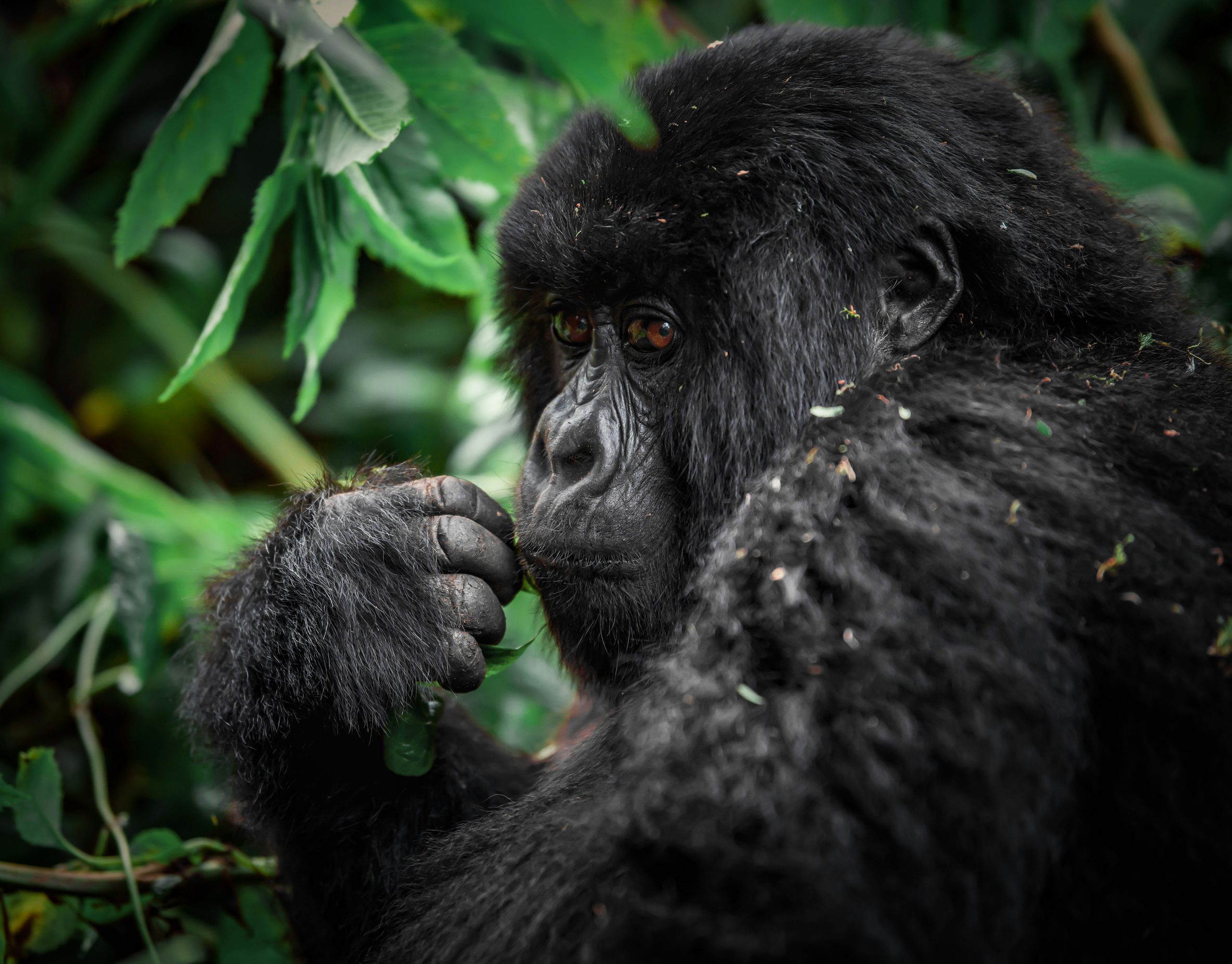
- Rwanda: mountain gorillas, golden monkeys, Kigali’s history and culture, and optional time at Lake Kivu.
- Best suited to: couples, photographers, honeymooners, families with travellers aged 15 or older, and guests planning a once-in-a-lifetime East African journey.
Which destination should come first?
For most travellers, we recommend completing the Tanzania safari first and gorilla trekking second. This allows the journey to build from classic savannah wildlife to the highly personal experience of meeting a habituated gorilla family. It also avoids placing a long safari immediately after a physically demanding trek.
The reverse order can work when permit availability or international flights make it more practical. We do not force every traveller into the same sequence; we compare the confirmed flight schedule, gorilla permit date and lodge availability before finalising the route.
How do you travel between Tanzania and Rwanda?
Most combinations use a regional flight to Kigali. Depending on the travel date, the journey may begin from Kilimanjaro International Airport, Arusha Airport, Dar es Salaam or a Serengeti airstrip, sometimes with a connection through another regional hub. Flight schedules change, so we verify the practical option before quoting rather than promising a connection that may not operate on the required day.
After arrival in Kigali, Volcanoes National Park is reached by road. We normally include enough time for immigration, baggage collection and a comfortable transfer. We avoid planning a gorilla trek on the same day as an international or regional arrival.
Sample 10-day Tanzania and Rwanda itinerary
Day 0: Arrival in Tanzania
Meet your Nature Bound Africa representative at Kilimanjaro International Airport and transfer to Arusha for a briefing and overnight stay.
Day 1: Arusha to Tarangire National Park
Travel in a private 4×4 safari vehicle to Tarangire, known for elephants, baobab trees and seasonal wildlife concentrations.
Day 2: Tarangire to the Serengeti
Continue through the Ngorongoro Highlands and enter the Serengeti, with game viewing along the way.
Days 3–4: Serengeti National Park
Spend two full days exploring the most suitable Serengeti area for the month of travel. The Great Migration moves throughout the year, so camp selection should follow the season rather than a fixed marketing map.
Day 5: Serengeti to Ngorongoro
Enjoy a final Serengeti game drive before travelling toward the Ngorongoro Conservation Area.
Day 6: Ngorongoro Crater and Arusha
Descend into the crater for a game drive, then continue to Arusha for the night.
Day 7: Fly to Kigali, Rwanda
Take the most practical confirmed regional flight to Kigali. Depending on arrival time, visit selected Kigali landmarks or rest before travelling onward.
Day 8: Kigali to Volcanoes National Park
Transfer to the Volcanoes region, settle into your lodge and prepare clothing and equipment for the trek.
Day 9: Gorilla trekking
Attend the official briefing and trek with park rangers to a habituated gorilla family. Trekking time varies according to the gorillas’ location and forest conditions.
Day 10: Return to Kigali and depart
Travel back to Kigali for your onward flight, or extend the journey with golden-monkey tracking, Lake Kivu or additional time in Rwanda.
Gorilla permits and physical preparation
Rwanda gorilla permits are issued for a specific date and should be secured before non-refundable travel arrangements are completed. Visit Rwanda currently lists the standard foreign visitor permit at USD 1,500 per person, subject to eligibility and future policy changes. Travellers should confirm current conditions through the official Visit Rwanda booking information.
The minimum trekking age is 15. Guests should be prepared for uneven ground, vegetation, mud and changing weather. Porters are highly recommended: they assist on difficult sections and their employment directly supports communities surrounding the park.
When is the best time?
Both countries can be visited throughout the year. June to October and January to February are popular for generally drier safari and trekking conditions, but they are also busy. Green-season travel can offer dramatic scenery, fewer vehicles and excellent photographic light. Gorilla trekking remains possible in wetter months, although trails may be more slippery.
Our local planning advice
Do not select the cheapest flight before the complete route is designed. A low fare can create an unnecessary overnight, a missed connection or a very long transfer. We first secure the gorilla date, match the Serengeti region to the season, and then connect the two countries with a realistic travel day.
We also recommend at least one relaxed night before the gorilla trek. A well-paced itinerary is more valuable than adding another destination simply to increase the number of places listed.
Related East Africa guides
- East Africa safari planning guide
- How to combine Kenya and Tanzania
- Uganda versus Rwanda gorilla trekking
- Rwanda gorilla trekking guide
Frequently asked questions
How many days are needed?
Nine to twelve days is a practical range for a Northern Tanzania safari and one Rwanda gorilla trek. More time is recommended for Zanzibar, Lake Kivu or additional primate experiences.
Can the trip start in Rwanda?
Yes. The best order depends on international flights, permits and the seasonal Serengeti location.
Is the gorilla permit included?
It should be shown clearly as included or excluded in the final quotation. Nature Bound Africa confirms the permit arrangement before requesting payment.
Plan with a local specialist: Nature Bound Africa can tailor the safari duration, accommodation level, gorilla date and regional flights around your interests and budget. Contact us to start planning.