
Packing sustainably is a critical first step for a responsible African safari. By choosing the right Essential Sustainable Travel & Luxury Packing List items, you reduce your environmental footprint and enhance your experience in the bush.
When planning for a safari, it’s important to consider not just what you pack but how those items impact the environment. Sustainable travel goes beyond just the physical items; it encompasses your attitude and approach to the experience. For instance, choosing eco-friendly accommodations that support local communities can significantly enhance your adventure while safeguarding the ecosystems you visit.
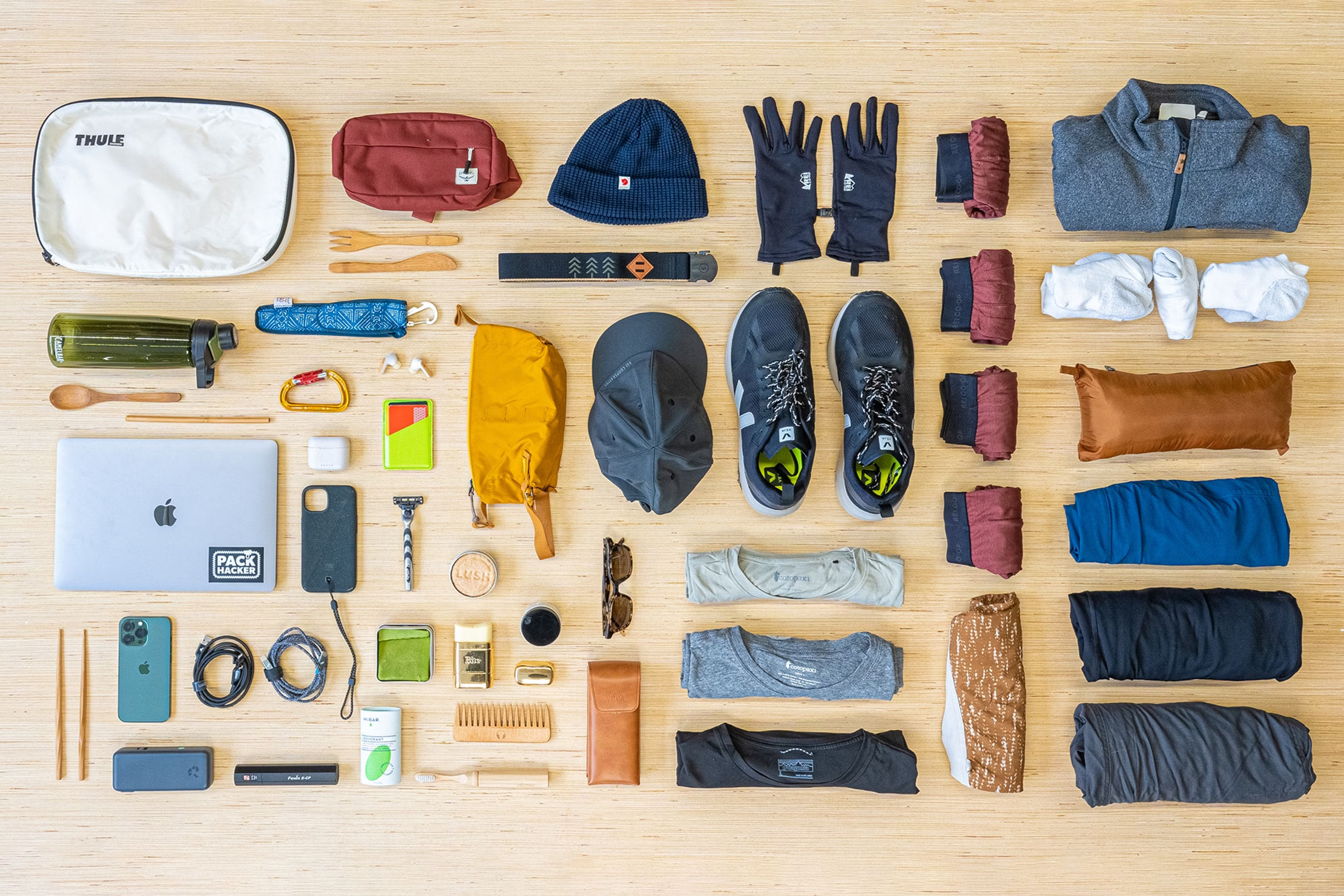
Essential Sustainable Travel & Luxury Packing List
Embracing Essential Sustainable Travel
Understanding Essential Sustainable Travel
Documents & Essentials
- Passport and Visas: Ensure all travel documents are up-to-date and carry physical copies as well as digital backups.
- Travel Insurance: Comprehensive travel and medical insurance details are mandatory.
- Health Items: Vaccination certificates (if required), personal prescription medications, and a basic first-aid kit.
- Currency: A mix of local currency and US dollars (widely accepted for tips).
- Luggage: A soft-sided duffel bag is best, as light aircraft flights between camps have strict weight limits (often 15-20kg or 33-44 lbs total) and cannot accommodate hard suitcases.
Clothing
The key is neutral, lightweight layers in natural fabrics to blend in with the environment, which is especially important for walking safaris.
- Colors: Khaki, olive, beige, tan, and grey are ideal. Avoid bright colors, white (shows dust easily), and dark blue/black (attract tsetse flies). Avoid camouflage prints, as they are illegal for civilians in some African countries.
- Tops: 2-3 short-sleeved shirts/T-shirts and 2-3 long-sleeved shirts (for sun and insect protection).
- Bottoms: 2 pairs of long trousers (convertible zip-off pants are a great space-saver) and 1 pair of shorts.
- Outerwear: A lightweight fleece or warm jacket for chilly mornings and evenings, and a light waterproof rain jacket/poncho.
- Other:
- 5-7 pairs of socks and underwear (many lodges offer laundry service, so you don’t need a pair for each day).
- Swimsuit for lodge pools.
- A ‘smart casual’ outfit for evening dinners, as some luxury lodges have dress codes.
Footwear
Furthermore, packing reusable items like cloth bags for shopping or reusable cutlery for meals can greatly reduce the need for single-use plastics. As a traveler, you can influence the local economy positively by supporting shops and restaurants that prioritize sustainable practices.
- Walking Shoes: One pair of comfortable, broken-in closed-toe walking shoes or light hiking boots for game walks.
- Casual Shoes: One pair of sandals or flip-flops for use around the camp or by the pool.
In addition to your clothing choices, consider the types of materials your garments are made from. Opt for fabrics that are sustainably sourced and produced. Brands that emphasize organic cotton or recycled polyester not only reduce waste but also lessen the environmental impact of your trip. It’s also advisable to check if the clothing company practices fair trade, ensuring ethical working conditions for their employees.
Eco-Friendly Gear & Accessories
- Reusable Water Bottle: Essential for staying hydrated and avoiding single-use plastic bottles, which are banned in some African countries like Tanzania and Kenya.
- Eco-Friendly Toiletries: Use solid shampoo/conditioner bars or bring liquids in reusable, leak-proof travel bottles. Opt for biodegradable products when possible, as shower water often drains into the soil.
- Sun Protection: A wide-brimmed sun hat, polarized sunglasses, and high-SPF, reef-safe sunscreen and lip balm.
- Insect Repellent: Repellent with DEET is highly effective, or you can opt for natural, DEET-free alternatives.
- Daypack: A small, soft-sided backpack is perfect for carrying essentials on game drives.
- Technology:
- Binoculars (one pair per person is recommended for optimal wildlife viewing).
- Camera with a good zoom lens, extra batteries, and memory cards.
- Power bank/portable charger (solar-powered options are great for eco-camps with limited electricity).
- Universal power adapter (Type G is common in Tanzania).
- Extras: A scarf or buff to protect your face from dust, a headlamp or small flashlight, and a journal to document your experiences.
By following these guidelines, you’ll be well-prepared for your adventure with Nature Bound Africa while minimizing your impact on the beautiful African wilderness and enhancing your journey through sustainable practices. Prepare yourself not just for a trip but for an experience that resonates with the essence of Essential Sustainable Travel.
By considering sustainable practices in your travel plans, you contribute to the conservation of wildlife and habitats while supporting local economies. Remember that the choices you make can have a lasting impact, so strive to leave a positive footprint wherever you go. This approach will enrich your travels and ensure that the beauty of the natural world is preserved for future generations to enjoy.